

In this article
Search Your Home and Garden
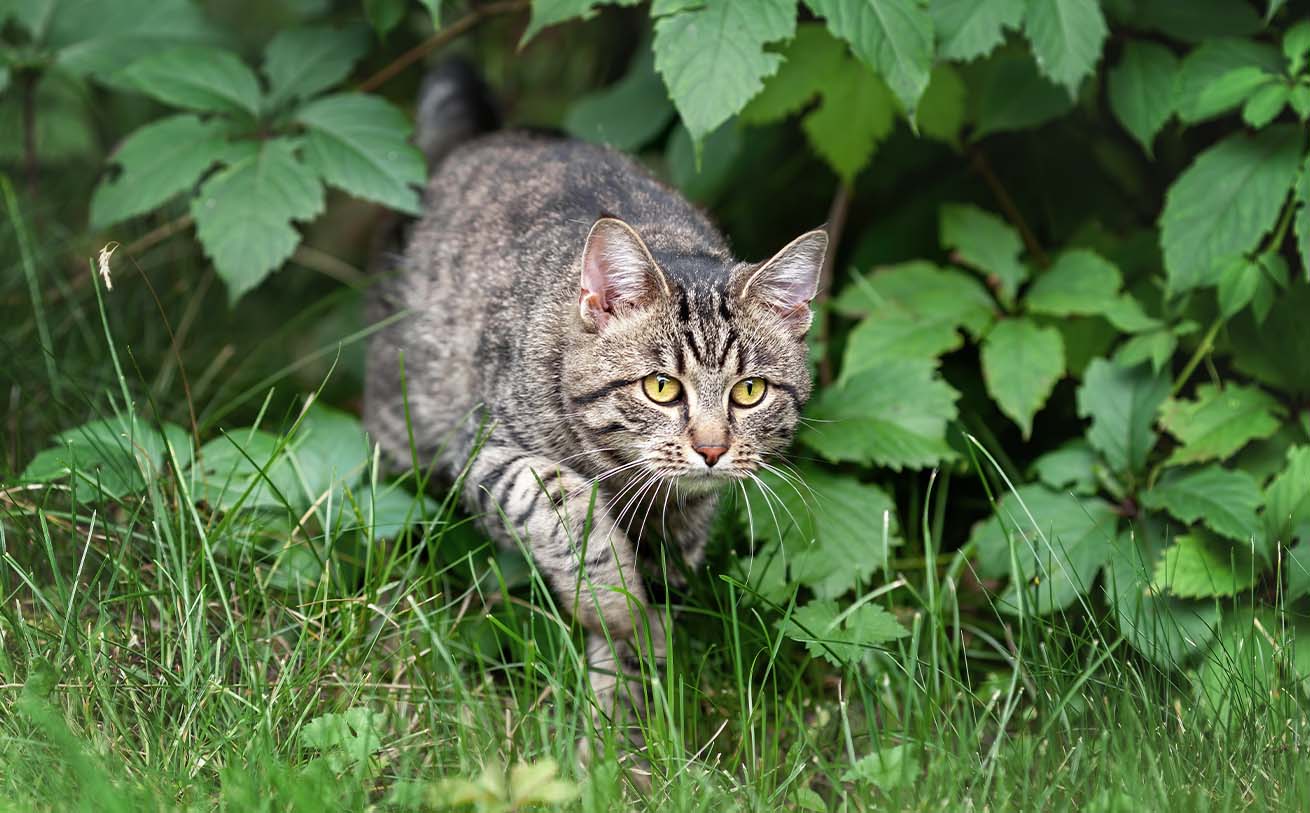
Cats are creatures of habit that often stick close to their beloved home. So, if your feline friend gets out, especially if it’s the first time, they probably won’t go all that far. Start your search by thoroughly checking the house and garden. Your cat might be closer than you think.
Alert the Neighbors
If you didn’t find your cat in your home or garden, it’s a good idea to ask the neighbors to keep an eye out. Encourage them to check their gardens, sheds, basements, and any small spaces where a cat might hide.
You might even want to ask the mail carrier for help as they regularly walk the neighborhood and often know the local pets. Don’t forget to bring a clear photo of your cat when speaking with others though, so they know exactly who to look for.
Help Your Cat Find Their Way Home
If your cat loves to eat, shaking a bag of food or treats is definitely a good idea to grasp their attention. If this doesn’t work, try leaving their bedding outside or spreading the contents of the vacuum cleaner in the garden. Placing the litter box outside is generally not recommended as this could attract feral cats or large predators.
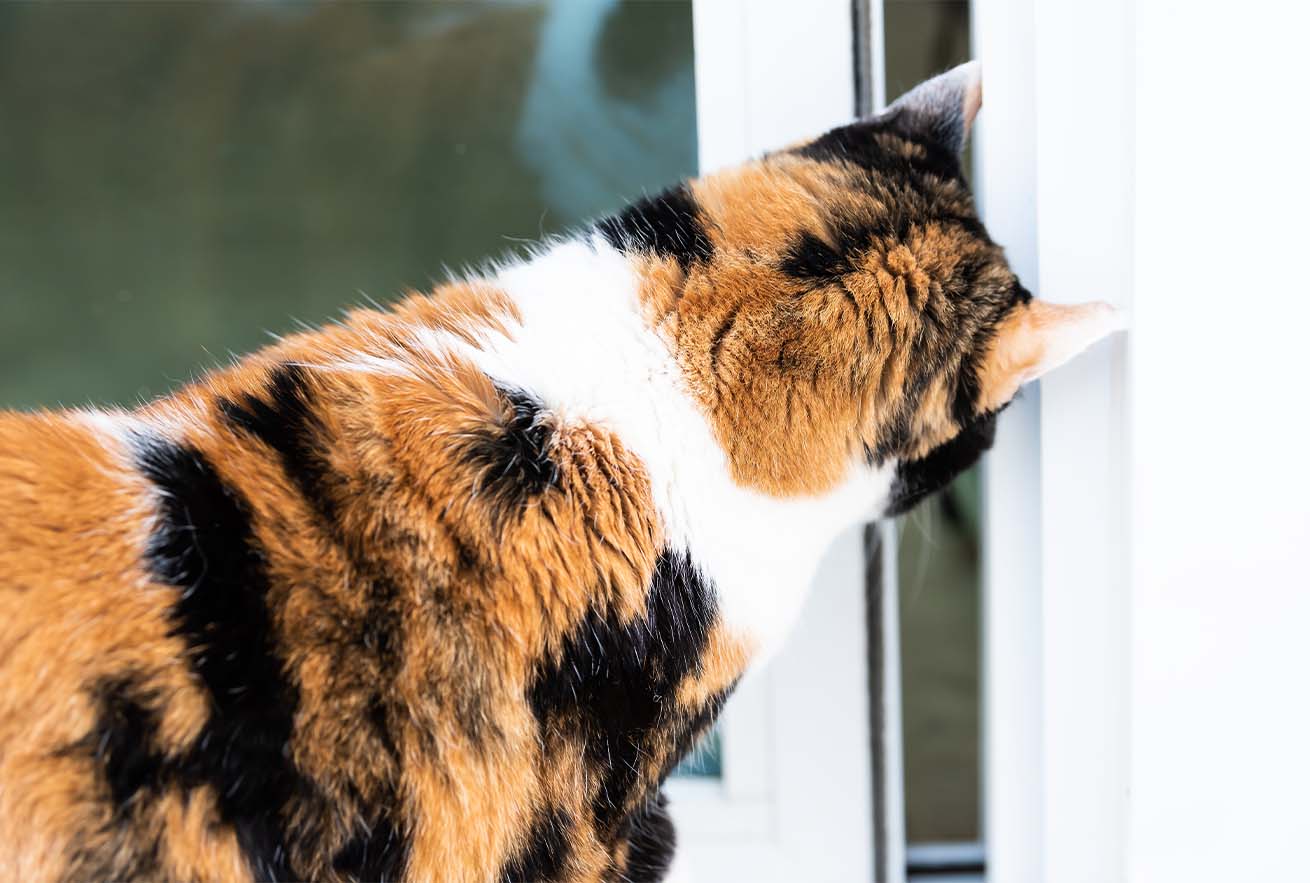
If you live in a neighborhood without crime or dangerous wildlife, consider leaving a window or door ajar so your cat can enter on their own accord. If possible, set up a smart camera with motion detection function so you get notified when your cat has returned home.
Search for your Cat in the Dark
Did you know that you can use certain times of day to your advantage? Cats are often more active at dawn and dusk, and as the quiet during these hours makes it easier for them to hear your voice, it’s the perfect time to call out for your feline friend. Another good idea is patrolling the neighborhood with a flashlight as cats’ eyes reflect light in the dark, making your feline friend easier to spot.
Call for Help on Social Media
Don’t hesitate to ask for help on social media when your cat goes missing. Post on your personal profile, but also make sure to share in local lost pet groups and other community pages in your area. Include a clear photo and a detailed description of your feline friend to increase the chances of someone recognizing them.
Put up Posters and Hand Out Flyers
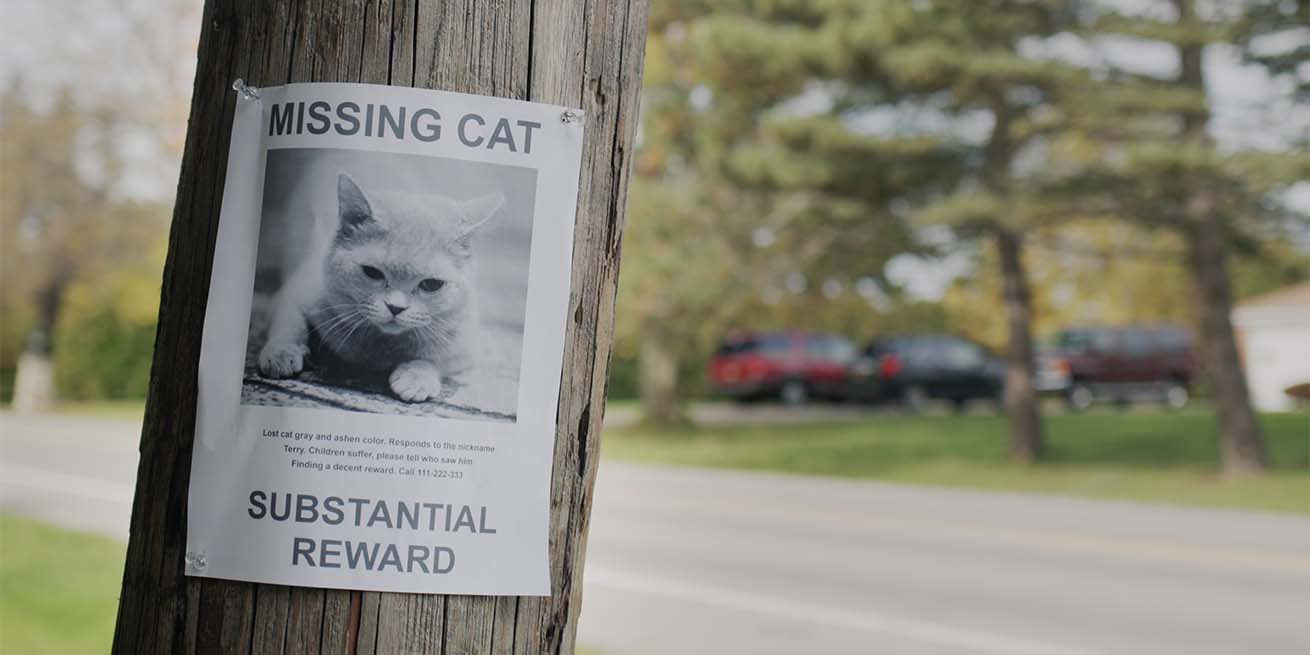
Flyers and posters are effective tools for quickly spreading the word in your local community. As a bonus, this old-school method also helps you reach older people who may not be active on social media but often have time during the day to keep an eye out for your cat.
Key Elements to Include on your Poster or Flyer
- A clear, recent photo of your cat
- Any special features your cat might have
- e.g. tipped ear, missing eye, heterochromia, short tail, etc.
- The area where your cat disappeared
- Information about where your cat likes to hang out
- A request to search sheds, basements, and other potential hiding spots
- Instructions on whether to approach your cat if spotted or to leave them alone and call you right away
- Your contact information
- Provide two different phone numbers (e.g. yours and your partner’s) in case you cannot be reached.
Reach Out to Authorities
When your cat goes missing, it’s important to reach out to local authorities and organizations that might come across them. Contact nearby animal shelters, veterinary clinics, and rescue groups, and provide them with a description and photo of your cat. It’s also a good idea to inform the local police, especially if your area has a system for reporting lost pets.
Avoid Search Parties
While it’s wonderful when people want to help you find your cat, organizing a search party is usually not a good idea. The presence of many strangers can overwhelm and scare your cat, causing them to run off even farther. Instead, it’s often more effective for just one or two familiar people to search, preferably during quieter hours like early morning or late evening.
For the Future: Provide Collar & Microchip
To make sure your cat can be traced back to you, it’s important to provide them with a collar and name tag, as well as have them microchipped. The microchip is especially useful in case the collar gets lost. Just remember to update the address and contact information linked to the chip if you ever move house.


