

It’s Adopt a Cat Month!
Add some extra catitude to your life, discover a new cat quiz, and learn to treat bee and wasp stings in cats. This and so much more—it’s all in this month’s issue of My Cat Magazine!


Cat Adoption
The Amazing Work of Cat Shelters
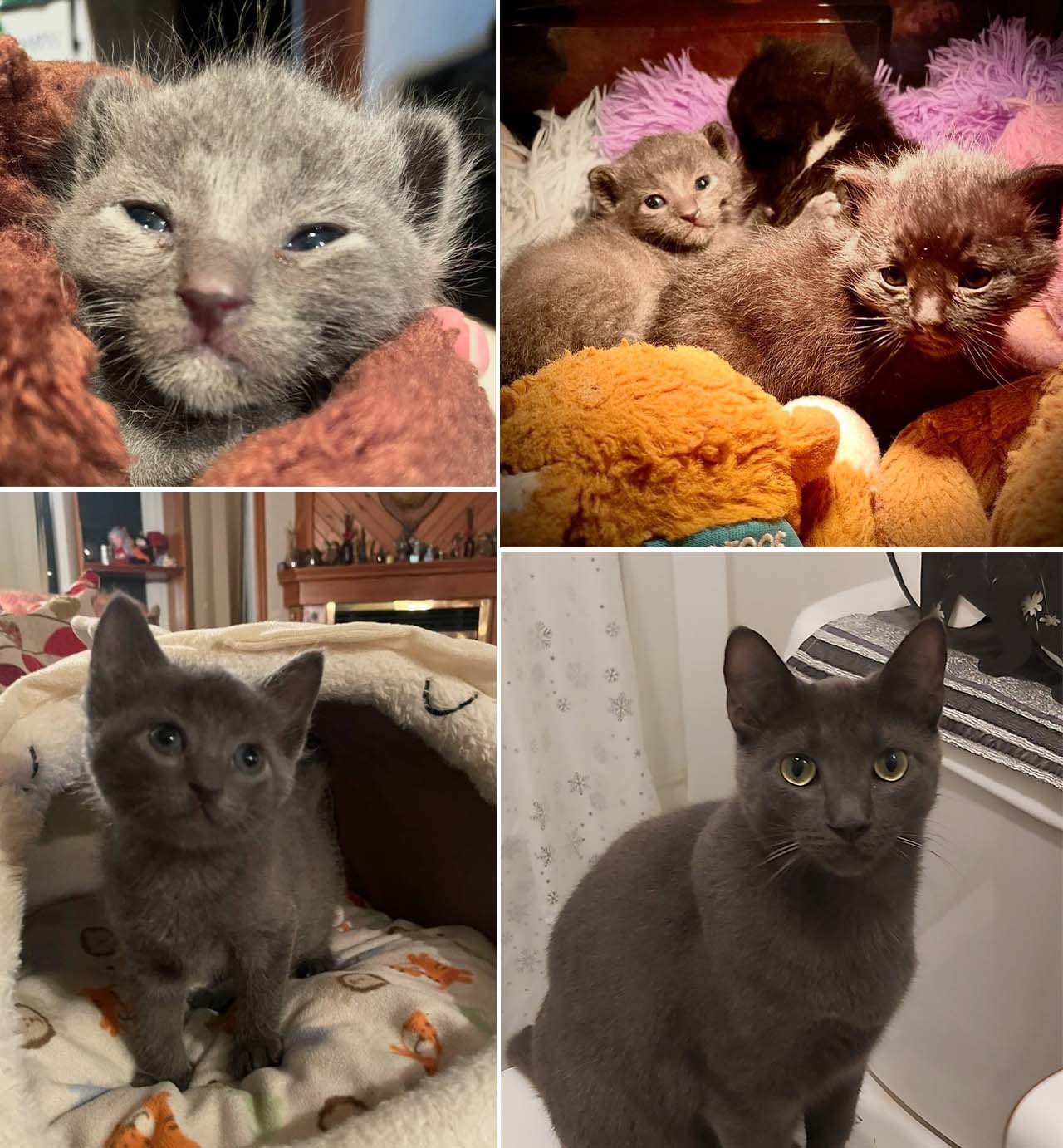
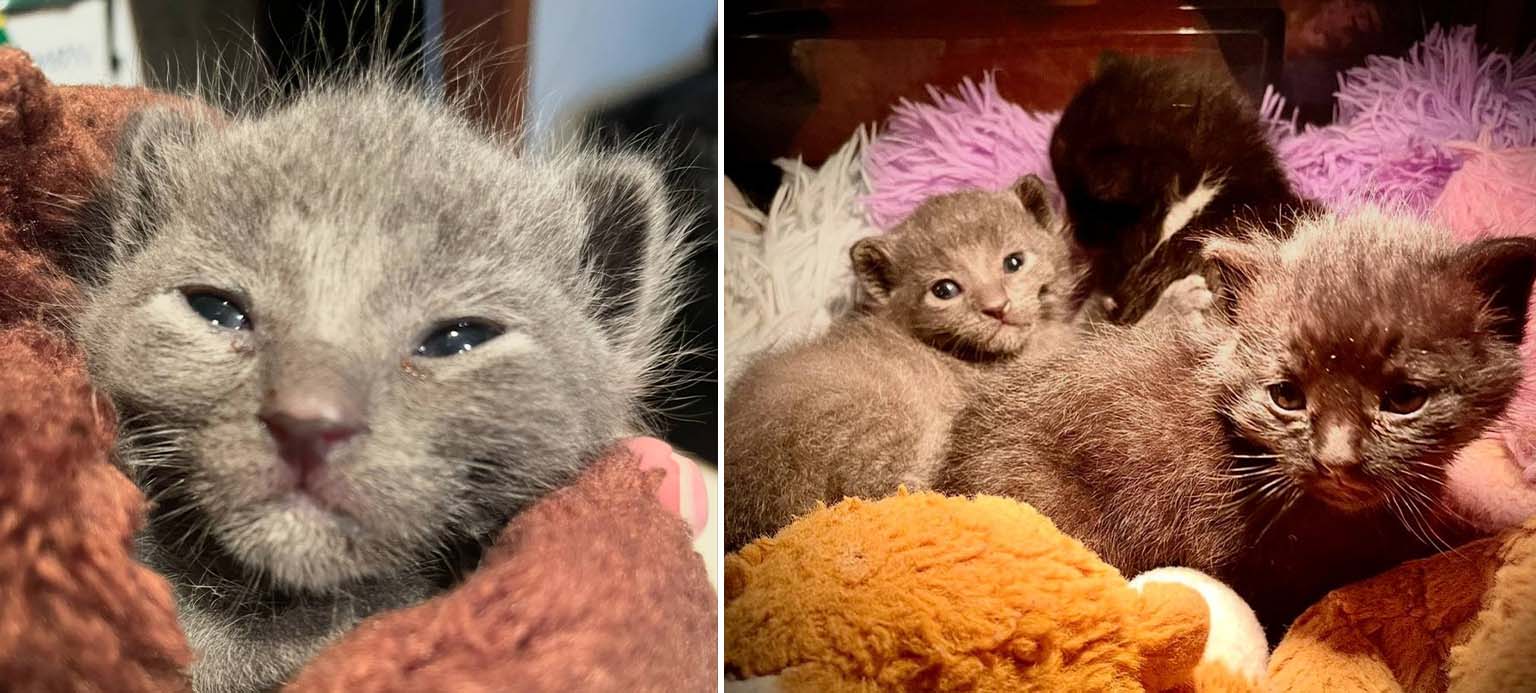
“When little Wyett was not even two weeks old, he and his five siblings were orphaned after their mother was hit by a car. Thankfully, Purrfect Companions of Norfolk stepped in, placing the kittens with a foster family and providing supplies, vaccinations, and medication.
After Wyett was neutered, he returned to the shelter for adoption. As a volunteer, I happened to be there when his foster mom brought him in, and I instantly fell in love.
Wyett is incredibly cuddly and sweet, thanks to all the love he’s received. I’m so grateful the shelter saved him and his siblings. Without them, they wouldn’t have survived.”
– Brenda Jones, Wyett’s cat parent

Show Us Your Rescue Cat!
Look at all these amazing felines who got a second chance after ending up in a shelter.
Did you give a cat a new lease on life?
Upload their photo to feature them in our Kings & Queens Gallery!
Stoker

Smokey

Samuel
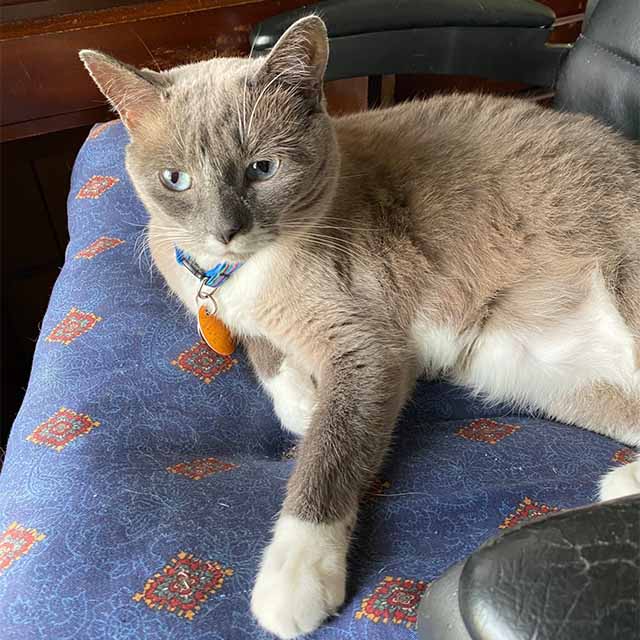
Maxine

Eric

Chia

Charlie
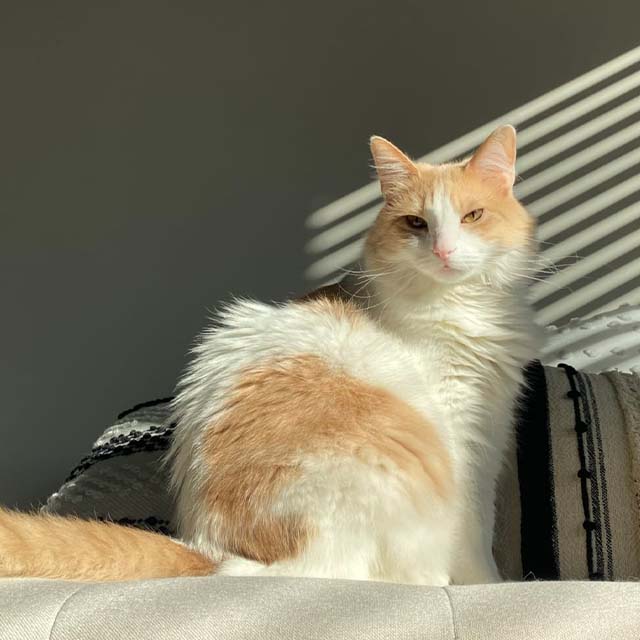
Buddy




Related content


The World’s Leading Digital Cat-Themed Magazine!
Available in 9 languages


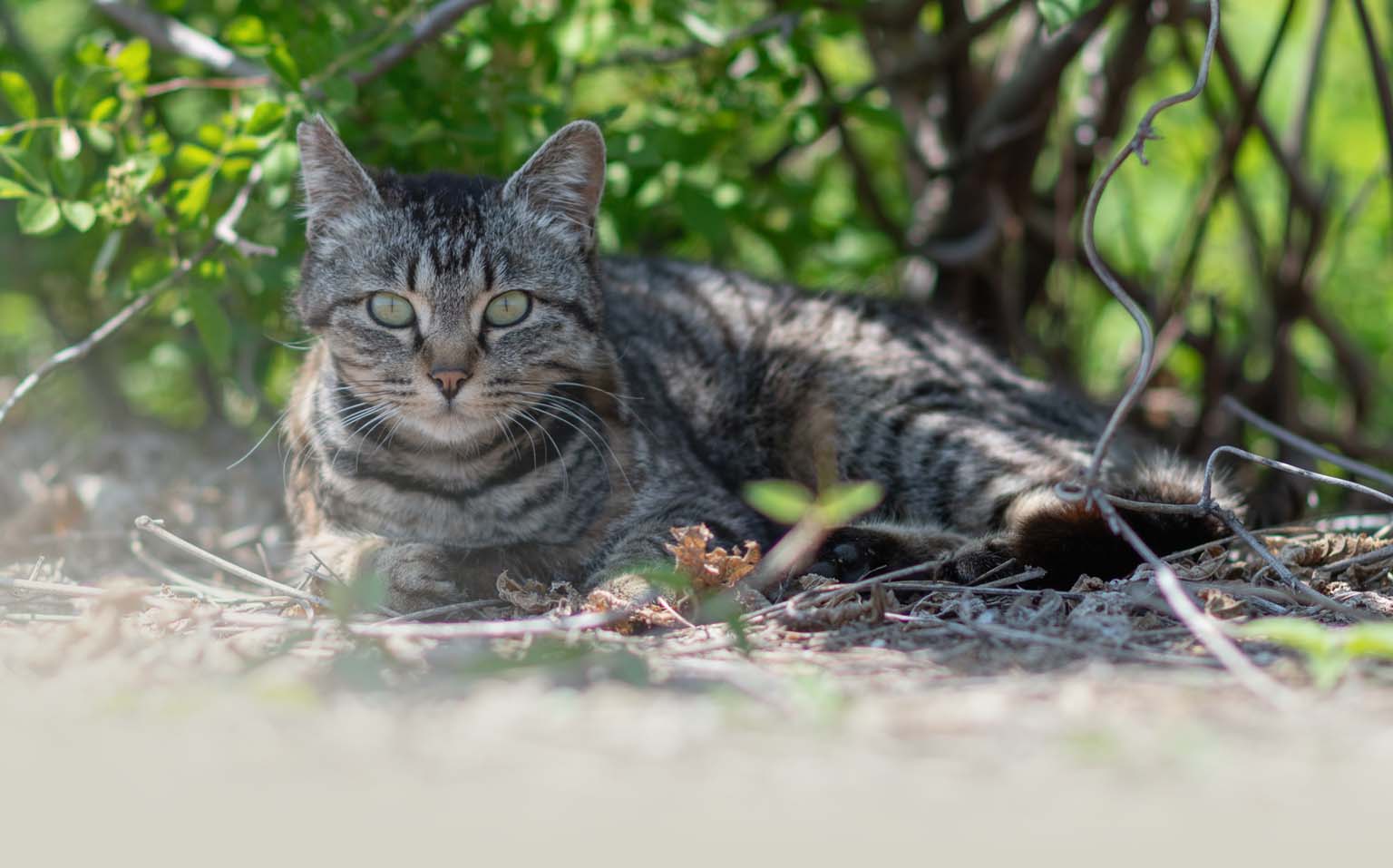

Alley cat quiz
Are you an expert on strays and ferals, or are you more of a pet cat connoisseur? Find out by taking our cat quiz!
TNR stands for trap, nurture, rehome
YOU’RE RIGHT!
TNR stands for Trap-Neuter-Return. It’s a technique used by cat rescue organizations where they set traps to catch stray and feral cats so they can spay or neuter the animals and return them to their original outdoor location once their wounds have healed. This is a great way of preventing feral colonies from growing ever bigger.
SORRY, YOU’VE GOT IT WRONG…
TNR stands for Trap-Neuter-Return. It’s a technique used by cat rescue organizations where they set traps to catch stray and feral cats so they can spay or neuter the animals and return them to their original outdoor location once their wounds have healed. This is a great way of preventing feral colonies from growing ever bigger.
Istanbul is the world capital of stray cats
YOU’RE RIGHT!
The Turkish capital of Istanbul is home to around 125,000 stray cats! The animals are seen as community-owned pets rather than traditional strays, and many locals provide food and water to the felines.
SORRY, YOU’VE GOT IT WRONG…
The Turkish capital of Istanbul is home to around 125,000 stray cats! The animals are seen as community-owned pets rather than traditional strays, and many locals provide food and water to the felines.
Japan has multiple islands where the cat population outnumbers the human one
YOU’RE RIGHT!
Japan is home to several “cat islands” where feline residents outnumber humans, with Aoshima and Tashirojima being the most famous. Aoshima, a tiny island just 1.6 km long, has only about 15 to 20 human residents but over 120 cats! And the best part: both Aoshima and Tashirojima welcome visitors!
SORRY, YOU’VE GOT IT WRONG…
Japan is home to several “cat islands” where feline residents outnumber humans, with Aoshima and Tashirojima being the most famous. Aoshima, a tiny island just 1.6 km long, has only about 15 to 20 human residents but over 120 cats! And the best part: both Aoshima and Tashirojima welcome visitors!
A cat will only have 1 litter of kittens per year
YOU’RE RIGHT!
Cats can have 3 to 4 litters each year, with an average of about 5 kittens per litter. This means that one couple of cats can have 15 to 20 kittens in just one year. If these kittens aren’t spayed or neutered, they can start reproducing as early as 4 to 6 months old, quickly adding to the growing population. Therefore, please consider getting your cat spayed or neutered.
SORRY, YOU’VE GOT IT WRONG…
Cats can have 3 to 4 litters each year, with an average of about 5 kittens per litter. This means that one couple of cats can have 15 to 20 kittens in just one year. If these kittens aren’t spayed or neutered, they can start reproducing as early as 4 to 6 months old, quickly adding to the growing population. Therefore, please consider getting your cat spayed or neutered.
A cat with the tip of their ear missing is most likely spayed or neutered
YOU’RE RIGHT!
In some countries, stray and feral cats that have been spayed or neutered have the tip of one ear painlessly removed during surgery. This practice, known as ear-tipping, makes it easy to identify cats that have already been sterilized, so they don’t need to be trapped again for the same procedure.
SORRY, YOU’VE GOT IT WRONG…
In some countries, stray and feral cats that have been spayed or neutered have the tip of one ear painlessly removed during surgery. This practice, known as ear-tipping, makes it easy to identify cats that have already been sterilized, so they don’t need to be trapped again for the same procedure.


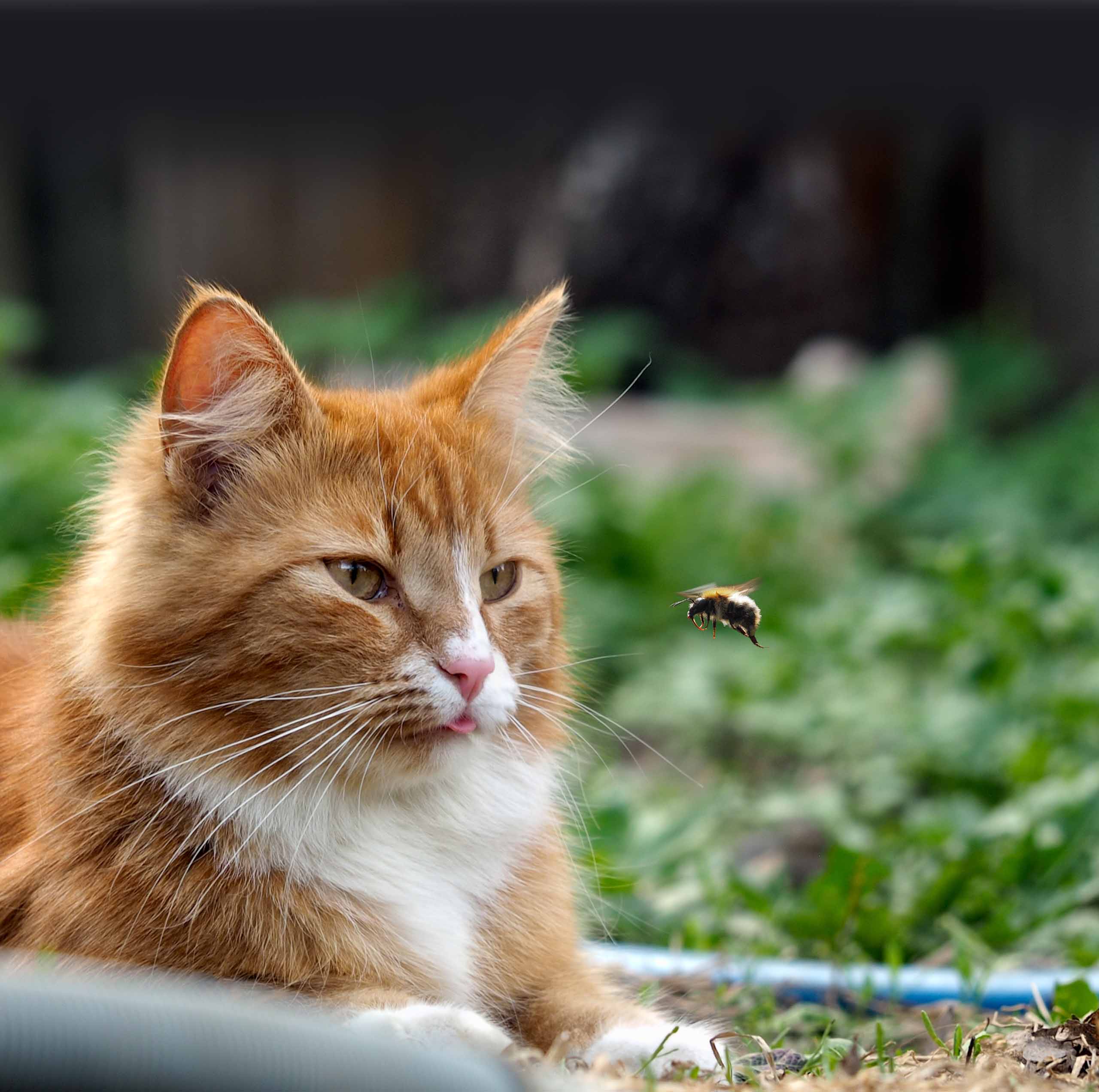
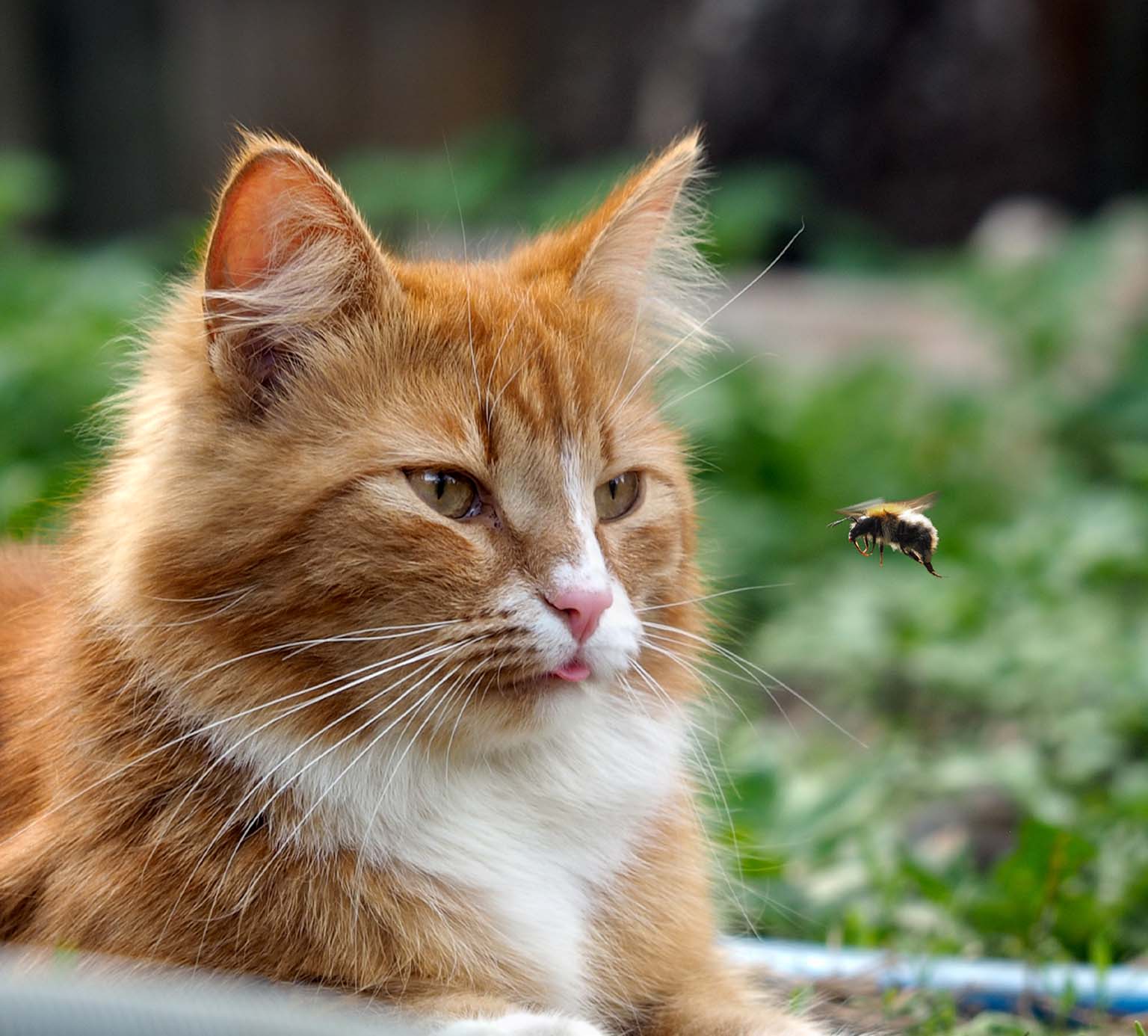
This month’s question & results
Cat Art
Cats in the Garden
Cats are naturally curious, and many love exploring the outdoors. The artworks in our gallery capture this perfectly.
- gallery item
- gallery item
- gallery item
- gallery item
- gallery item
- gallery item
- gallery item
- gallery item
- gallery item
- gallery item
- gallery item
- gallery item
- gallery item
- gallery item
- gallery item
- gallery item
- gallery item
- gallery item
- gallery item
- gallery item
- gallery item
- gallery item
- gallery item
- gallery item
- gallery item
- gallery item
- gallery item
- gallery item
- gallery item
- gallery item
- gallery item
- gallery item
- gallery item
- gallery item
- gallery item
- gallery item
- gallery item
- gallery item
- gallery item
- gallery item
- gallery item



Do you have a cat that’s full of catitude?
Upload their photo and share their story! We can’t wait to hear all about it!
Meet the winners of our May giveaway!


Social channels
Can’t wait to get more Catit updates? Make sure to follow us on Facebook, Instagram, Pinterest or TikTok.


